Category: Cosmetic Dentistry

  • What Exactly Is Lidocaine?

    What Exactly Is Lidocaine?

    Do you ever stop and wonder what Lidocaine actually is? In an effort to better educate our patients, Here’s a short description and explanation of the product.

    What’s In Lidocaine?

    Lidocaine, sometimes referred to as Lignocaine, is a medication used to numb a specific area of tissue. Also known as a local anesthetic. To allow for larger doses for numbing, Lidocaine can be mixed with small amounts of epinephrine. It can also help to decrease bleeding and to make the numbing effect last longer. It helps relieve pain and vascular spasms as a recommended treatment of injections.

    Lidocaine is an antiarrhythmic medication of the class Ib type. This means it works by blocking sodium channels and thus decreasing the rate of contractions of the heart. Local neurons cannot signal the brain when it is used locally as a numbing agent.

    Discovered in 1946, Lidocaine became more publicly available in 1948. It’s considered one of the most essential, effective, and safe medicines needed today. It’s available as a generic medication and it’s not very expensive. Xylocaine is one of the brand names it is recognized under.

    We understand that a lot of this sounds like rather unnecessary information. However, it’s good to establish a baseline when introducing a topic such as this.
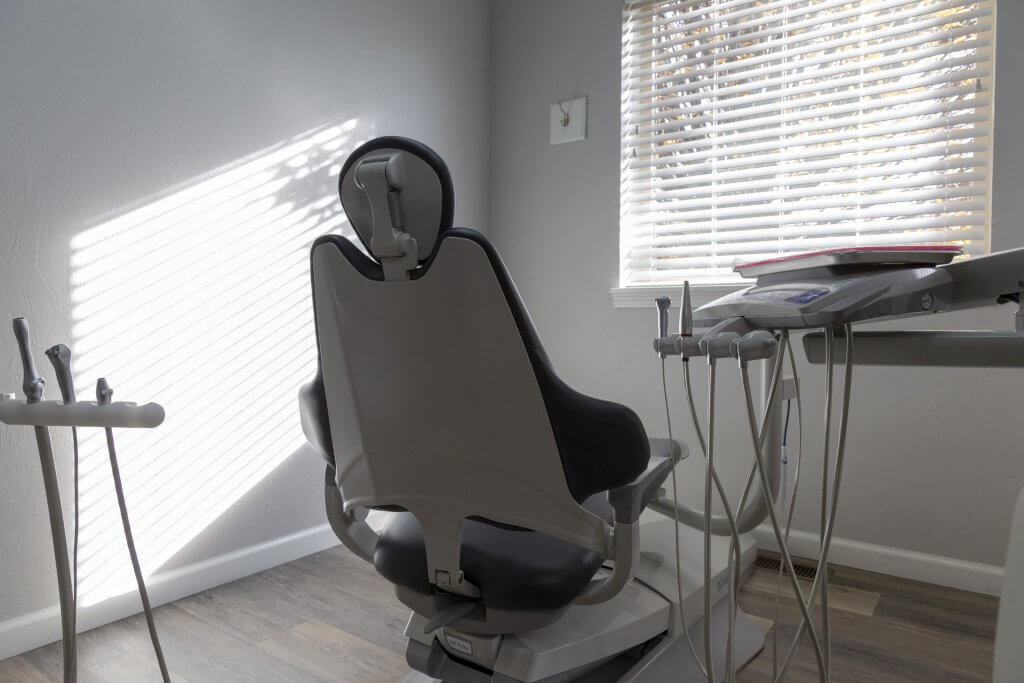
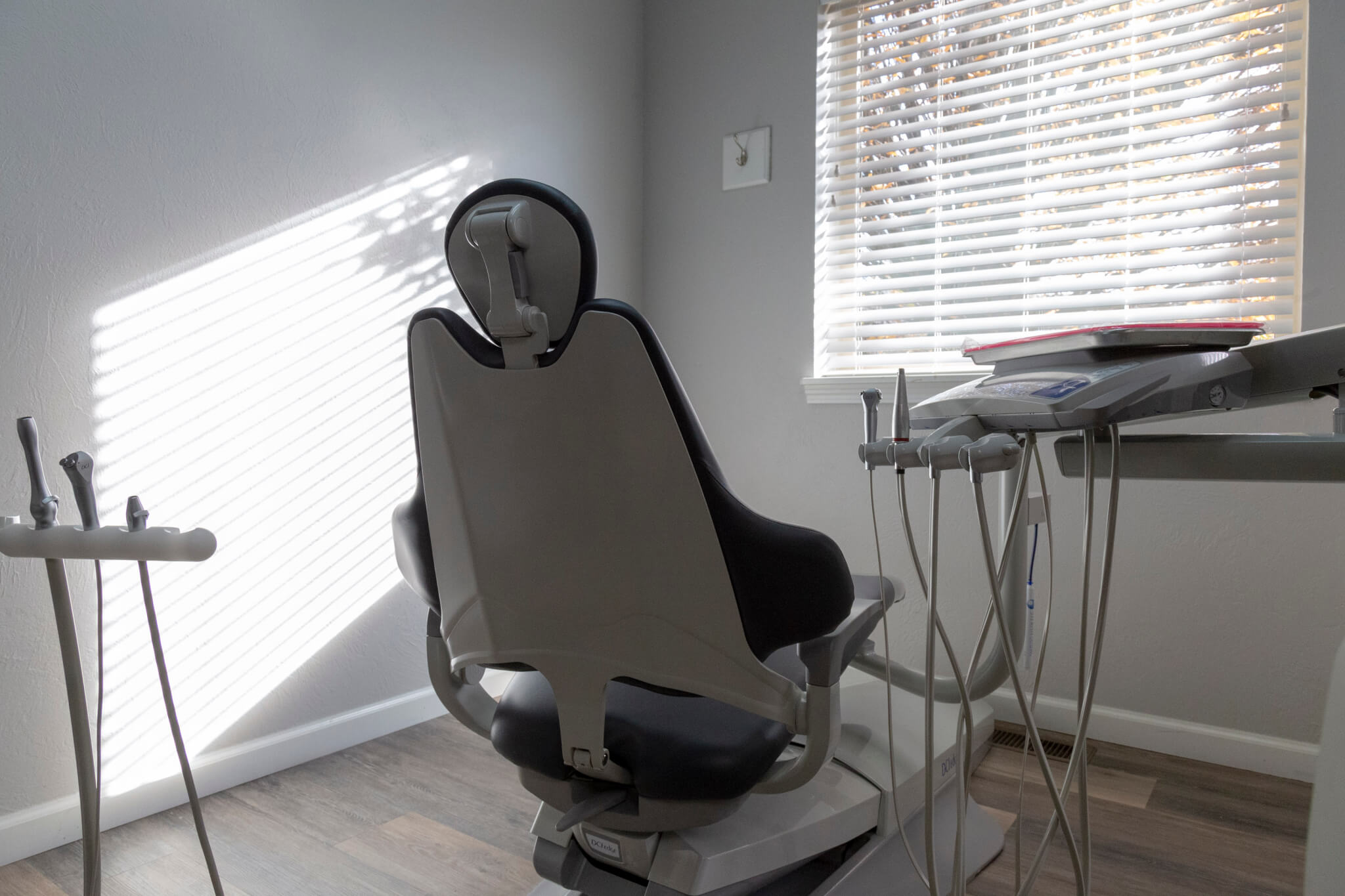
    Eagle Dental Care room two

    How Long Does The Numbness Last?

    When injected, the numbing effects of Lidocaine can begin working very quickly. In as little as four minutes and can last from 30 minutes up to three hours.

    However, other factors can play a role in how long the drug’s effects last. It’s a fast-acting local anesthetic. While its effects normally last for 30 to 60 minutes, it can last much longer if administered alongside epinephrine. Something we mention earlier. Other factors include the dosage, the individual, and the presence of the infection.

    The higher the dose of Lidocaine, the longer the numbing effects will last. The amount administered depends on the type of procedure being performed. It can also depend on the number of nerves being numbed and the size of the area being treated. For example, a root canal treatment will require more Lidocaine than a simple filling.

    The More You Know

    In sum, Lidocaine is safe and effective. It is commonly used in dental offices across the country. Here in Eagle, Idaho and at Eagle Dental Care, we strive to constantly be at the top of our game. We firmly believe in educating and informing our patients so they always feel comfortable in the work that we do. If you have any questions at all regarding the use of Lidocaine or other anesthetics, please don’t hesitate to call us or ask during your appointment.
  • The Difference Between Prophylaxis Cleaning & Periodontal Treatment

    The Difference Between Prophylaxis Cleaning & Periodontal Treatment

    Periodontal Cleaning/Treatment

    At some point, you may have been told that you have periodontal disease and require a different type of teeth cleaning. The word periodontal means “around the tooth.” When plaque and calculus are not removed, they begin to destroy the tissue and bone which support the teeth. This results in periodontal disease which can cause bad breath, red, tender or swollen gums, painful chewing, loose teeth, sensitive teeth, receding gums and in severe cases loss of teeth.

    Periodontal disease can be diagnosed at a patient’s initial appointment and treatment recommendations vary. A periodontal cleaning requires a deeper cleaning referred to as “scaling and root planing”.

    Many patients are not aware they have periodontal disease because the disease is usually painless in the early stages. Periodontal disease is the number one reason for tooth loss and research suggests there may be a link between periodontal disease and other medical diseases. Before starting treatment, it is our goal to address all questions and concerns about treatment, prognosis, cost and even insurance reimbursement.

    Prophylaxis Treatment

    Prophylaxis is basically a dental term for a regular teeth cleaning. Regular prophylaxis appointments are recognized by the American Dental Association and dental insurance companies as a necessary preventive measure once every six months. A prophylaxis appointment means that you will receive a thorough teeth cleaning by a dental hygienist and a complete examination by a dentist. At interval prophylaxis appointments, you may have x-rays and photos taken. The dentist will use these images to assist in a thorough examination of your mouth to determine if there is need for any treatment.

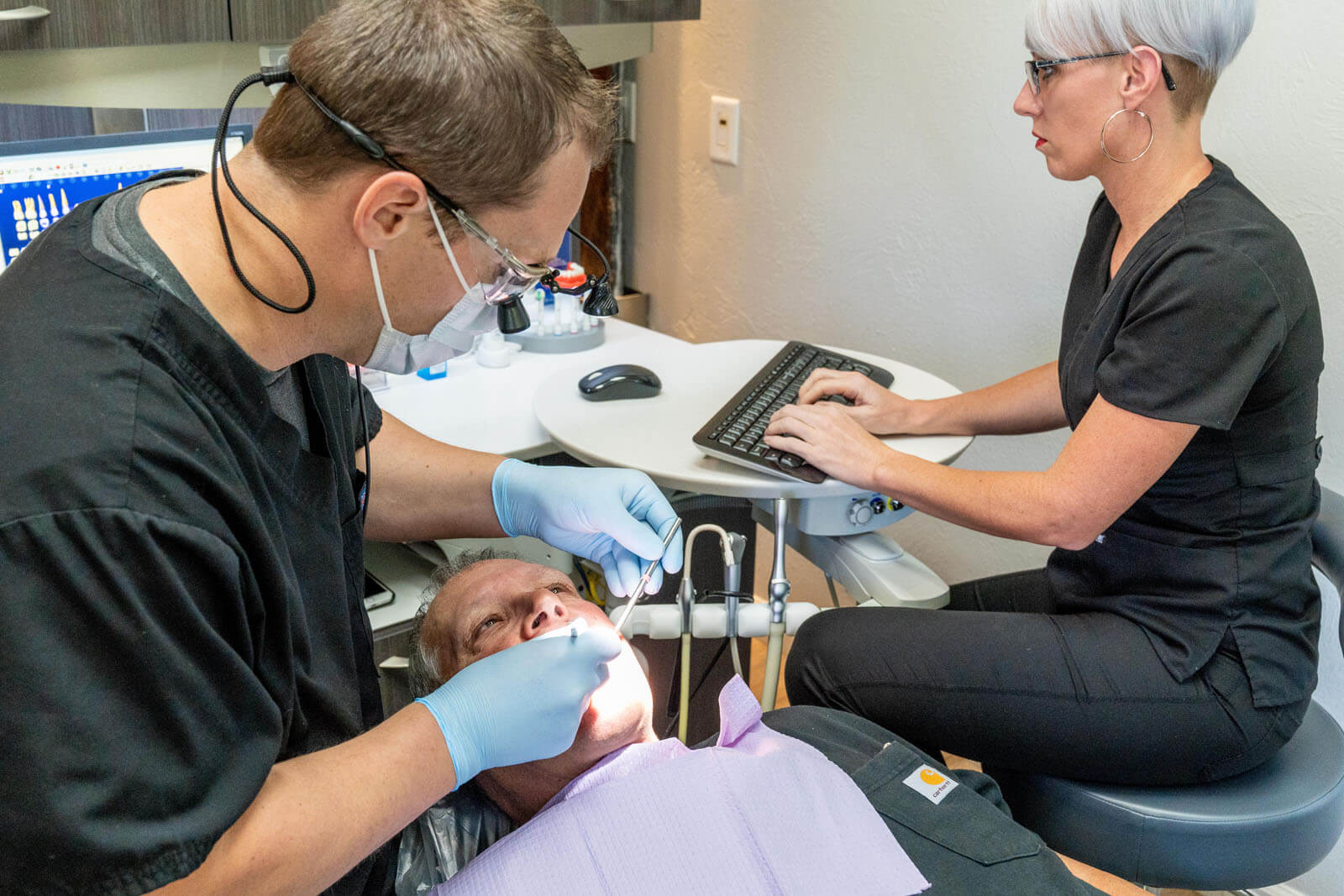
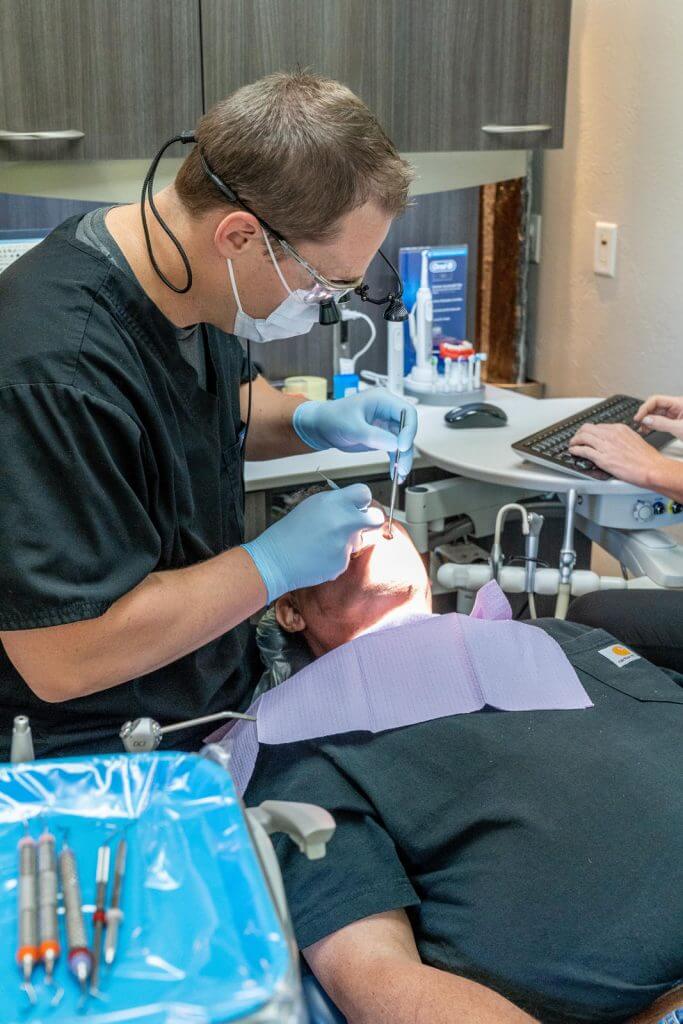
    Dentist performing a prophylaxis treatment on a patient
    Dr. Thomason working on a patient

    Benefits of a regular teeth cleaning include the removal of tarter and plaque build-up, fresher breath and healthy appearance. Tarter and plaque buildup naturally occur. But if left unremoved, they can lead to serious dental problems and even become the source of serious medical concerns. Regular prophylaxis appointments will help keep your teeth, tissue and mouth in good health. It can also prevent or halt the progression of gum disease.

    We follow the ADA guidelines and recommend a regular teeth cleaning every six months as a preventative measure. Since this prophylaxis appointment involves a thorough examination of the mouth, we are able to screen for oral cancer, evaluate the risk of periodontal disease and often spot signs of other dental problems. We can also provide recommendations for changing your home care routine to improve the overall health of your mouth and smile.

    Cost Comparison

    The cost difference between a routine prophylaxis cleaning and periodontal treatment can be significant. A standard dental cleaning typically costs around $75 to $200, while periodontal treatment, such as scaling and root planing, may cost approximately $200 to $400 per quadrant. If treatment is required across the entire mouth, the total can reach roughly $600 to $1,400 or more, depending on the severity of gum disease and the dental provider. This means periodontal treatment can cost several times more than a regular cleaning because it involves deeper cleaning below the gumline and requires more time and specialized care. Many dental clinics also offer in-house financing or payment plans, allowing patients to begin treatment and pay the balance over time. Other dental financing options may include dental insurance, health savings accounts (HSAs), flexible spending accounts (FSAs), third-party financing programs, or dental discount plans.

    In Summary

    A prophylaxis cleaning is a preventive cleaning to help keep your teeth and gums
    healthy. A periodontal cleaning is considered treatment to treat Periodontal Disease and restore
    your gums to a healthy and stable condition.

    Get a Consultation

    We would love for you to give us a call or stop in if you have any questions regarding prophylaxis cleaning and periodontal cleaning. You can find us at 151 N Stierman Way in Eagle, Idaho or give us a call at (208)939-4111. You are also welcome to visit our Contact Us page and shoot us a quick message.

  • Is Teeth Whitening Safe?

    Maybe you’ve read an article on the internet? Maybe you’ve talked to a friend who’s had a bad experience? Or perhaps you’re just skeptical by nature. Whatever the reason, the question remains the same: Is teeth whitening safe?

    Woman with bright white smile indicating that teeth whitening is safe.
    Is teeth whitening safe? Yes. Yes it is.

    Here at Eagle Dental Care, we proudly offer KöR Whitening, a system that works by restoring your teeth’s youthful ability to absorb oxygen. But before we dive into the details as to why we like this method, let’s talk about how it works. And let’s answer the question: Is teeth whitening safe?

    How Teeth Whitening Works

    The oxygen from the whitening gel is absorbed into the tooth, dissolving and removing stain molecules. Most patients have no discomfort from whitening and have amazing, long lasting results. We have found KöR Whitening to be the gentlest and best whitening system available. So to first answer your question.

    Q: Is teething whitening safe?

    A: Yes. Yes it is.

    Kor Whitening’s gel is formulated to be highly effective, yet gentle to avoid causing teeth sensitivity. This unique formula is kept at cool temperatures at all times to maintain its precisely calibrated potency.

    The secret to this whitening system is to restore your teeth’s ability to absorb oxygen. This allows the oxygen from the whitening gel to be absorbed deeply into your tooth allowing it to break up and clear stains and dark spots.

    You will receive a mouth tray designed to fit you, and a plan to apply the gel that will allow for exceptional results. Possibly getting 16 shades whiter!

    For long lasting and exceptional results, teeth whitening requires a thorough cleaning so that the high-potency gels will make unobstructed contact with your enamel. The gels have been specially formulated to remove stains, without causing discomfort or increased sensitivity to your teeth. After decades of clinical treatment, teeth whitening has proven to be a safe and effective way to brighten your smile!

    So, I guess you could say that teeth whitening is safe. Especially when using
    KöR Whitening.

    View how people have whitened their smile, and increased self confidence. Browse before and after photos.

  • Why You Should Avoid Eating Popcorn Frequently

    There are many reasons why one should avoid eating popcorn. It’s commonly thought of as a healthy snack because it’s low in calories and can be easily snacked on without bloating or feeling weighed down. However, popcorn is very hard on your teeth. It creates lactic acid in your mouth. And before you can even pick out the kernels, that acid starts to work on your teeth. If you do snack on popcorn, rinse your mouth frequently with water and have a toothpick on hand to quickly pick out the pieces. Some sugar free gum can also be helpful.

    Eating popcorn can cause lasting damage to your teeth

    While it’s almost impossible to eat popcorn without getting some stuck in your teeth, you can act quickly to help mitigate any damage. With a healthy flossing you should be able to get those thin husks out from between your teeth. The word healthy needs to be emphasized, because unfortunately, if you don’t clean them out it can lead to infection and even an abscess.

    And furthermore, those hard, unpopped kernels are very good at breaking and cracking teeth. Be careful as you devour a big handful, especially if it’s at the bottom of the bag. Cracked teeth usually means you’ll be in need of a crown which equals a hefty bill from the dentist.

    I guess what we’re trying to say is, be careful while eating popcorn and make sure to take the necessary steps to not allow it to damage your teeth.

  • Multiple Ways to Love Your Smile

    Cosmetic Dentistry at Eagle Dental Care

    At Eagle Dental Care, we are passionate about giving our patients reasons to love their smiles. Our team is constantly taking continuing education courses to ensure that our patients receive the latest and greatest treatments available. One area where we’ve seen big advances is in the field of cosmetic dentistry.

    If you’re not familiar with term, cosmetic dentistry employs a number of techniques to improve the overall look of your teeth. While these procedures are labeled “cosmetic,” their impact extends beyond looks alone. Fixing the alignment of your teeth can inhibit bacterial growth and improve your self-confidence. Nobody should have to live with a smile they’d prefer to hide. Luckily, with today’s cosmetic dentistry procedures, you don’t have to.

    Patients with discolored, chipped, misshapen, or missing teeth have more options at their disposal than ever before. Dr. Thomason can reshape your teeth, close gaps, restore worn teeth, and even alter the lengths of your teeth. Bleaching, bonding, crowns, veneers, and contouring are a few of the cosmetic techniques we employ. Every smile is different, so we tailor treatment plans to give you the results you desire.

    Undertaking a cosmetic dentistry program begins with consulting Dr. Thomason. He’ll assess the areas you want to brighten up and explain your treatment options to you. From there, you’ll work together to decide the proper course of action. It is worth noting that achieving optimal results may require multiple treatment sessions. Of course, we’ll provide the same great care and environment we do for all of our services.

    Replacing and enhancing teeth no longer requires dealing with unsightly, fake-looking crowns and veneers. Cosmetic dentistry allows for you to improve the appearance of your teeth without sacrificing structural integrity. If you’ve always thought a perfect smile was unattainable, it’s time to think again. Call us today to find out if cosmetic dentistry treatment is right for you.