
Category: Pediatric Dentistry

  • What Exactly Is Lidocaine?

    What Exactly Is Lidocaine?

    Do you ever stop and wonder what Lidocaine actually is? In an effort to better educate our patients, Here’s a short description and explanation of the product.

    What’s In Lidocaine?

    Lidocaine, sometimes referred to as Lignocaine, is a medication used to numb a specific area of tissue. Also known as a local anesthetic. To allow for larger doses for numbing, Lidocaine can be mixed with small amounts of epinephrine. It can also help to decrease bleeding and to make the numbing effect last longer. It helps relieve pain and vascular spasms as a recommended treatment of injections.

    Lidocaine is an antiarrhythmic medication of the class Ib type. This means it works by blocking sodium channels and thus decreasing the rate of contractions of the heart. Local neurons cannot signal the brain when it is used locally as a numbing agent.

    Discovered in 1946, Lidocaine became more publicly available in 1948. It’s considered one of the most essential, effective, and safe medicines needed today. It’s available as a generic medication and it’s not very expensive. Xylocaine is one of the brand names it is recognized under.

    We understand that a lot of this sounds like rather unnecessary information. However, it’s good to establish a baseline when introducing a topic such as this.
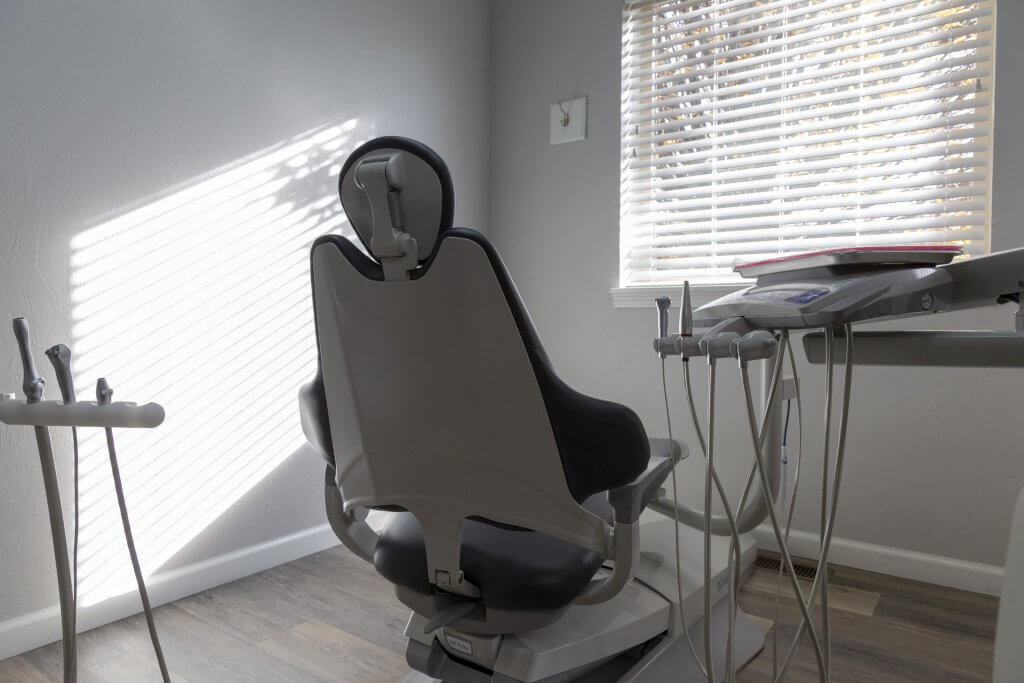
    Eagle Dental Care room two

    How Long Does The Numbness Last?

    When injected, the numbing effects of Lidocaine can begin working very quickly. In as little as four minutes and can last from 30 minutes up to three hours.

    However, other factors can play a role in how long the drug’s effects last. It’s a fast-acting local anesthetic. While its effects normally last for 30 to 60 minutes, it can last much longer if administered alongside epinephrine. Something we mention earlier. Other factors include the dosage, the individual, and the presence of the infection.

    The higher the dose of Lidocaine, the longer the numbing effects will last. The amount administered depends on the type of procedure being performed. It can also depend on the number of nerves being numbed and the size of the area being treated. For example, a root canal treatment will require more Lidocaine than a simple filling.

    The More You Know

    In sum, Lidocaine is safe and effective. It is commonly used in dental offices across the country. Here in Eagle, Idaho and at Eagle Dental Care, we strive to constantly be at the top of our game. We firmly believe in educating and informing our patients so they always feel comfortable in the work that we do. If you have any questions at all regarding the use of Lidocaine or other anesthetics, please don’t hesitate to call us or ask during your appointment.

  • Why You Should Avoid Eating Popcorn Frequently

    There are many reasons why one should avoid eating popcorn. It’s commonly thought of as a healthy snack because it’s low in calories and can be easily snacked on without bloating or feeling weighed down. However, popcorn is very hard on your teeth. It creates lactic acid in your mouth. And before you can even pick out the kernels, that acid starts to work on your teeth. If you do snack on popcorn, rinse your mouth frequently with water and have a toothpick on hand to quickly pick out the pieces. Some sugar free gum can also be helpful.

    Eating popcorn can cause lasting damage to your teeth

    While it’s almost impossible to eat popcorn without getting some stuck in your teeth, you can act quickly to help mitigate any damage. With a healthy flossing you should be able to get those thin husks out from between your teeth. The word healthy needs to be emphasized, because unfortunately, if you don’t clean them out it can lead to infection and even an abscess.

    And furthermore, those hard, unpopped kernels are very good at breaking and cracking teeth. Be careful as you devour a big handful, especially if it’s at the bottom of the bag. Cracked teeth usually means you’ll be in need of a crown which equals a hefty bill from the dentist.

    I guess what we’re trying to say is, be careful while eating popcorn and make sure to take the necessary steps to not allow it to damage your teeth.

  • Taking Care of Your Baby’s Oral Health

    Believe it or not, your infant’s oral hygiene is important — even before they have teeth! Bacteria can build up inside your child’s mouth, causing harm to their gums and, eventually, their teeth. Though children’s teeth are temporary, they’re still vulnerable to infection and decay when not taken care of properly. Listed below are a few simple ways to secure your infant’s oral health.

    Your Dental Health

    One important way to maintain your child’s dental health is to maintain your own. Not only does this lead to good habits for the both of you, it can prevent bacteria from spreading. According to the American Academy of Pediatrics, bacteria called streptococcus mutans can spread from mothers to their infants, which can lead to dental decay.

    Cleaning

    It’s important to keep your infant’s mouth clean. Bacteria can grow in their mouth and around their gums, creating infections even before baby teeth set in. Clean your infant’s mouth at least twice a day or after each meal. Wash your hands, then wrap clean, damp gauze around your finger, and gently wipe your baby’s gums.

    Appointments

    Scheduling a dental appointment is a sure way to prevent problems. You should see a dentist regularly to make sure your teeth are healthy before and after your child is born. When your child turns 1 year old, or their first tooth appears, take your infant in for their first dental appointment.

    By taking care of your dental health, you can take care of your infant’s. Create good habits, schedule checkups, and clean regularly. Teeth or no teeth, oral health is important, and keeping up with it will benefit you and your child in the long run.

  • National Children’s Dental Health Month

    It may not get quite the same attention as Valentine’s Day, but February is also National Children’s Dental Health Month. Every year, the American Dental Association (ADA) comes up with a slogan that encapsulates their goals for the month. The 2018 slogan is, “Brush your teeth with fluoride toothpaste and clean between your teeth for a healthy smile.”

    People used to think that care for baby teeth wasn’t critical. “They’re just going to fall out anyway, so why worry too much about them?” This was the rationale behind the attitude. But nothing could be further from the truth. As the correlation between oral hygiene and overall health has become apparent, so too has the need for great oral care as early as possible. Expectant mothers with gum disease can even transmit bacteria to their children.

    Creating strong habits from a young age also sets up your child for great oral health throughout their life. Don’t let your toddler fall asleep directly after drinking milk or juice, as it leaves acid in their mouths all night long, creating a fertile ground for bacteria. Fluoride toothpaste helps protect teeth from acid damage and strengthens enamel.

    As children age, have a hygienist teach them proper brushing and flossing techniques. Once they have the tools to brush and floss effectively, encourage them to do so. One great way to do this is to set up a calendar monitoring progress. Place a sticker on the calendar for every day that a child completes their oral care regimen. If the child completes a certain number of days in a row, give them a little prize. As the months progress, you’ll notice them brushing and flossing as a matter of course.

    National Children’s Dental Health Month is a reminder that providing a child with the skills and incentive to create great habits is a gift that keeps on giving. Baby teeth may fall out, but the oral care patterns you establish in childhood stick with you forever.