Tag: eagle idaho

  • What Exactly Is Lidocaine?

    What Exactly Is Lidocaine?

    Do you ever stop and wonder what Lidocaine actually is? In an effort to better educate our patients, Here’s a short description and explanation of the product.

    What’s In Lidocaine?

    Lidocaine, sometimes referred to as Lignocaine, is a medication used to numb a specific area of tissue. Also known as a local anesthetic. To allow for larger doses for numbing, Lidocaine can be mixed with small amounts of epinephrine. It can also help to decrease bleeding and to make the numbing effect last longer. It helps relieve pain and vascular spasms as a recommended treatment of injections.

    Lidocaine is an antiarrhythmic medication of the class Ib type. This means it works by blocking sodium channels and thus decreasing the rate of contractions of the heart. Local neurons cannot signal the brain when it is used locally as a numbing agent.

    Discovered in 1946, Lidocaine became more publicly available in 1948. It’s considered one of the most essential, effective, and safe medicines needed today. It’s available as a generic medication and it’s not very expensive. Xylocaine is one of the brand names it is recognized under.

    We understand that a lot of this sounds like rather unnecessary information. However, it’s good to establish a baseline when introducing a topic such as this.
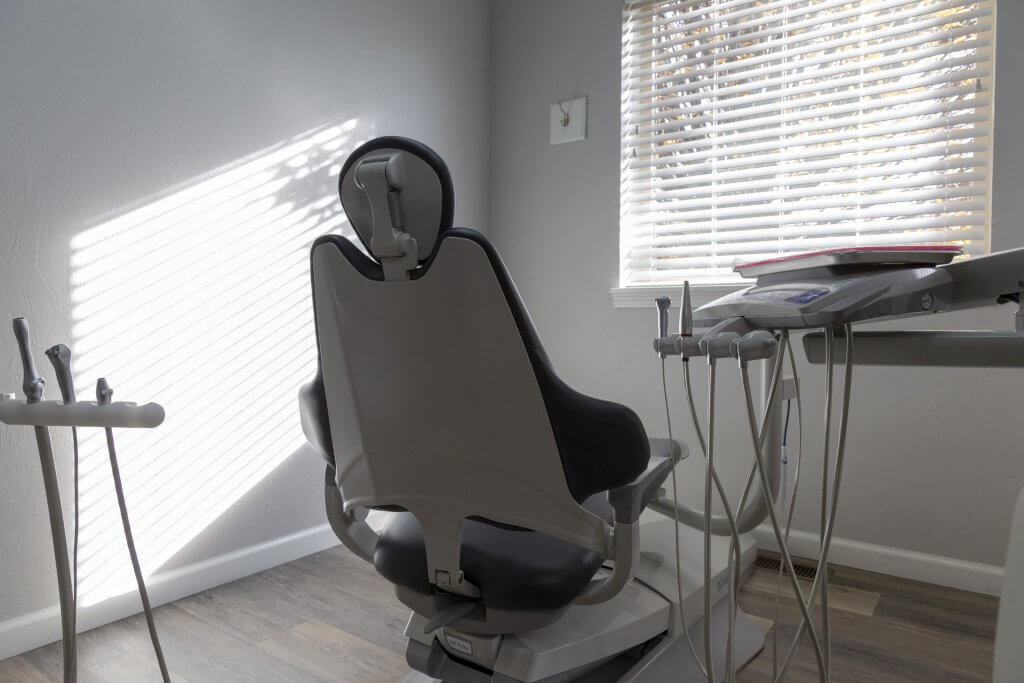
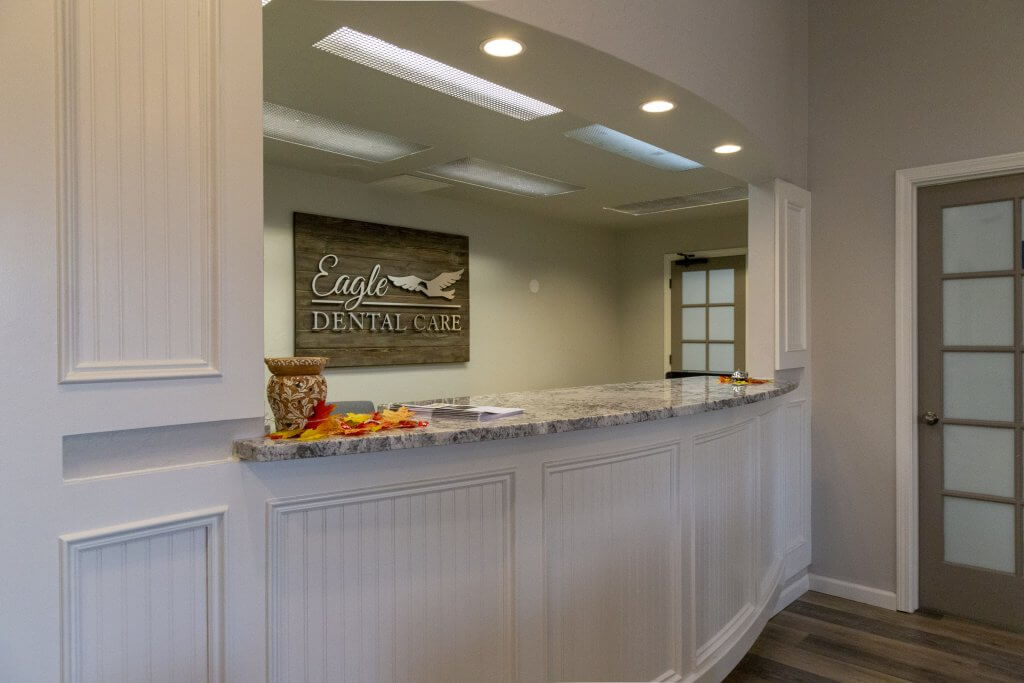
    Eagle Dental Care room two

    How Long Does The Numbness Last?

    When injected, the numbing effects of Lidocaine can begin working very quickly. In as little as four minutes and can last from 30 minutes up to three hours.

    However, other factors can play a role in how long the drug’s effects last. It’s a fast-acting local anesthetic. While its effects normally last for 30 to 60 minutes, it can last much longer if administered alongside epinephrine. Something we mention earlier. Other factors include the dosage, the individual, and the presence of the infection.

    The higher the dose of Lidocaine, the longer the numbing effects will last. The amount administered depends on the type of procedure being performed. It can also depend on the number of nerves being numbed and the size of the area being treated. For example, a root canal treatment will require more Lidocaine than a simple filling.

    The More You Know

    In sum, Lidocaine is safe and effective. It is commonly used in dental offices across the country. Here in Eagle, Idaho and at Eagle Dental Care, we strive to constantly be at the top of our game. We firmly believe in educating and informing our patients so they always feel comfortable in the work that we do. If you have any questions at all regarding the use of Lidocaine or other anesthetics, please don’t hesitate to call us or ask during your appointment.
  • Eagle Dental Care Answers: Wisdom Teeth

    Eagle Dental Care Answers: Wisdom Teeth

    Here at Eagle Dental Care, we’ve been kicking around the idea of starting a recurring tidbit on our blog. We’re calling it “Eagle Dental Care Answers”, and it’s a piece where we answer simple questions surrounding the field of dentistry. Sometimes it’ll be humorous, other times it will be informative, but it will always be interesting.

    To kick things off, we’re tackling wisdom teeth. It’s something that comes up in conversation fairly frequently. But, have you ever asked yourself, why are they called wisdom teeth?

    Eagle Dental Care Wisdom Teeth
    What makes those teeth so wise, anyway?

    Well not to worry, we’re here to answer your question. But first, let’s provide a little more depth and context.

    What exactly is a wisdom tooth?

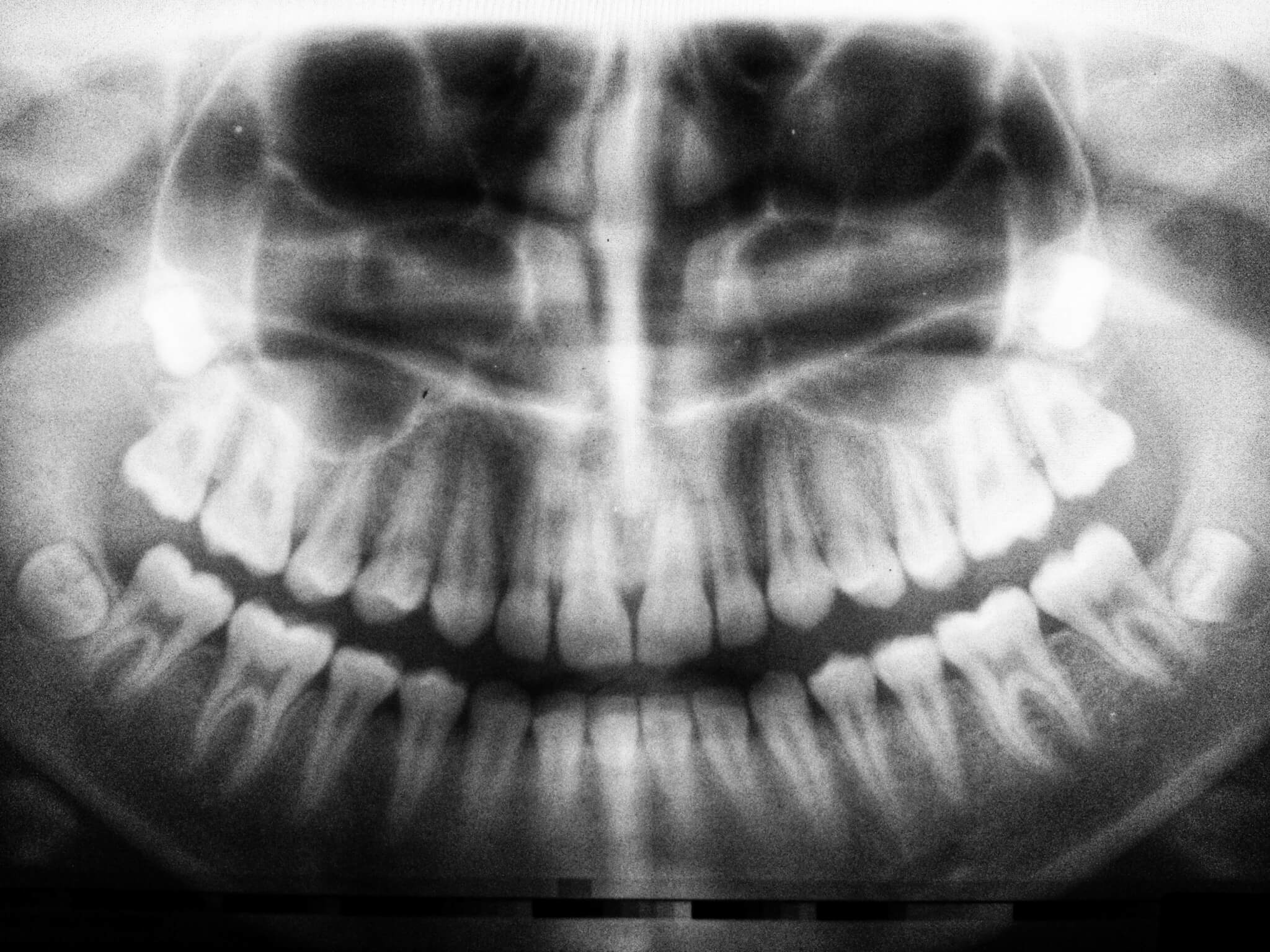
    A wisdom tooth is one of the three molars in each quadrant of the human mouth. Basically, it is the last of the three toward the back of your mouth. People generally get their wisdom teeth sometime in their late teenage years to their early twenties. Most adults have four wisdom teeth, one in each of the four quadrants. However, it’s possible to have none, fewer, or even more, which are referred to as supernumerary teeth. It is common for wisdom teeth to affect other teeth as they come in, which often leads to them being extracted before any problems occur.

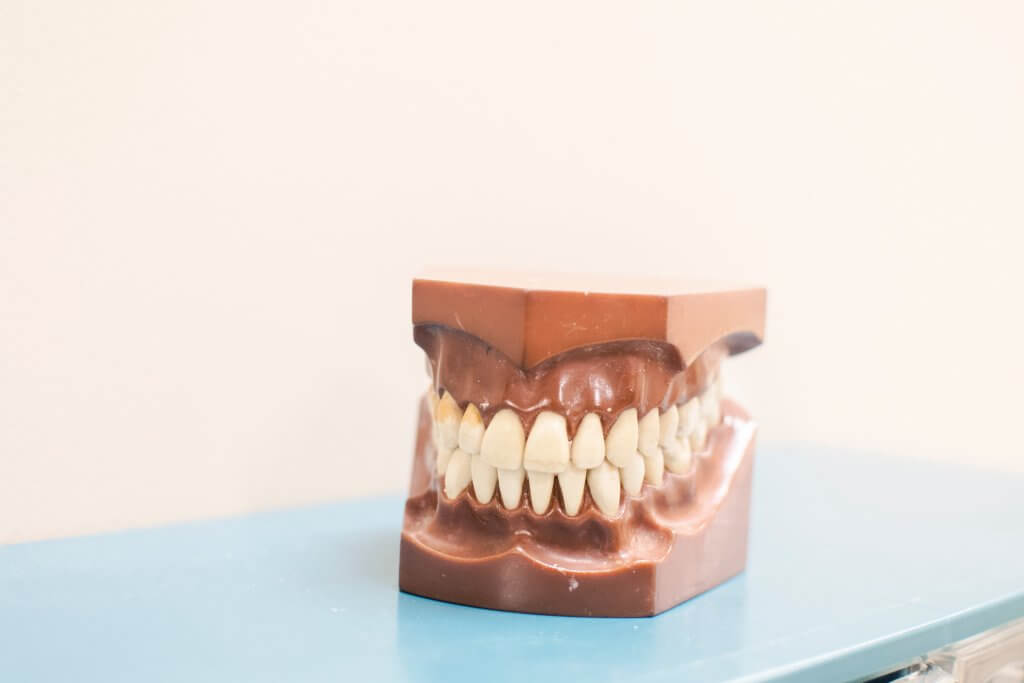
    Nice chompers!

    Why are they called wisdom teeth?

    Now that you know what a wisdom tooth is, here is the answer to your burning question:

    Although officially known as third molars, they are commonly called wisdom teeth because they appear so late. Much later than other teeth. They come in at an age where people are presumably “wiser” than they were as a child. The appearance of wisdom teeth has been known to cause dental issues for hundreds of years; it was noted at least as far back as Aristotle:

    “The last teeth to come in man are molars called ‘wisdom-teeth’, which come at the age of twenty years, in the case of both sexes. Cases have been known in women upwards of eighty years old where at the very close of life the wisdom-teeth have come up, causing great pain in their coming; and cases have been known of the like phenomenon in men too. This happens, when it does happen, in the case of people where the wisdom-teeth have not come up in early years.” -Aristotle, The History of Animals

    And now you know why they are called wisdom teeth. This has been Eagle Dental Care Answers!

  • Eagle’s Premier Dentist

    Eagle’s Premier Dentist

    How many times have you heard the following lines:

    “We strive to provide the best quality…”
    “Here at ____, we do our very best to…”
    “You can count on receiving the very best care at…”
    “We believe in honesty and quality…”

    It seems like pretty much every business will say those words in some way or another. We’ve even used the same phrases. Our point is, how do you truly know who provides the best quality and the fairest price? The short answer is, probably a lot of establishments. But the long answer is that it takes a little research and dedication.

    Eagle Dental Care – Eagle’s Premier Dentist Office

    Dr. Thomason of Eagle Dental Care
    Dr. Chris Thomason

    People say that you can’t judge a book by it’s cover, but that’s basically what the internet encourages. We look a brief snapshot of a business, whether it be a restaurant, bank, hotel, etc., and we judge it. We all have different tactics. Many include glancing at the pictures or logos, looking at where they’re located, and maybe checking out a few reviews.

    We’d like to cut through all of that white noise at Eagle Dental Care. We do believe that we are Eagle’s premier dentistry location. But we’re not going to pitch you on our quality or our website, we want you to come check things out for yourself. Come meet Dr. Thomason and see if he’d be a good fit for you and your family.

    We can tell you all day long that we are the premier dentist office in the greater Boise area. We can tell you all day long that we offer the highest quality and have the best doctor and staff, and so on and so forth. But at the end of the day, none of that matters unless you actually feel that way.

    Our Invitation

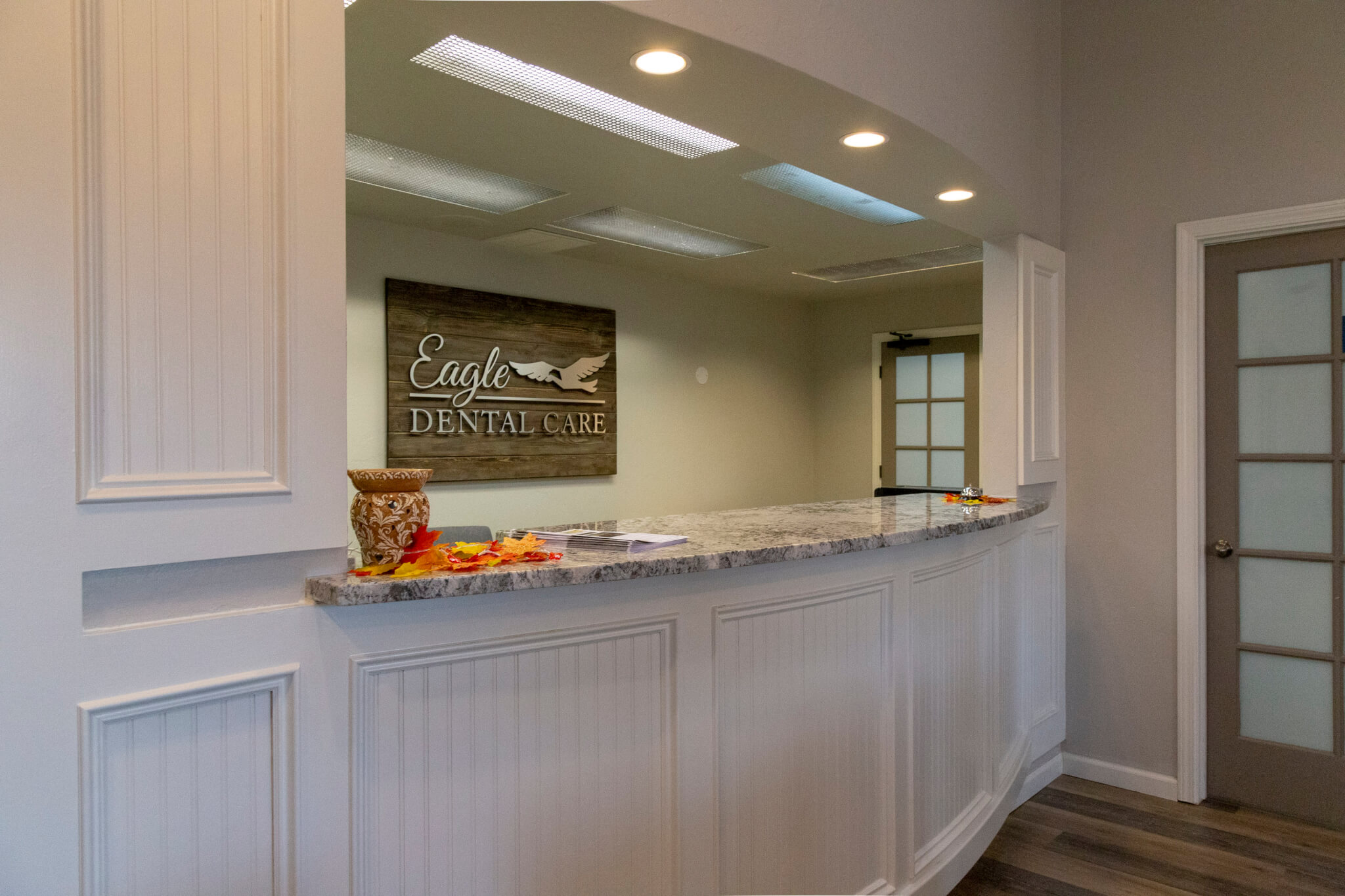
    Eagle Dental Care waiting room desk and sign
    Feel right at home at Eagle Dental Care.

    We encourage anyone looking for a new dentist to make the time to visit us and see what “premier” really looks like. We’d love for you to meet our staff, tour our office, and understand our products and how billing works. We’re not keeping any secrets, we want you to feel as comfortable as you possibly can when visiting the dentist.

    Premier Service From A Premier Dentist

    We think we do a good job here at Eagle Dental Care. We do believe that we offer the best service at a fair price. We’d love for you to learn more about us. Please feel free to poke around our website, take the virtual tour of the office, read about our services, etc. Then stop by or give us a call at 208-939-4111.

  • Is Teeth Whitening Safe?

    Maybe you’ve read an article on the internet? Maybe you’ve talked to a friend who’s had a bad experience? Or perhaps you’re just skeptical by nature. Whatever the reason, the question remains the same: Is teeth whitening safe?

    Woman with bright white smile indicating that teeth whitening is safe.
    Is teeth whitening safe? Yes. Yes it is.

    Here at Eagle Dental Care, we proudly offer KöR Whitening, a system that works by restoring your teeth’s youthful ability to absorb oxygen. But before we dive into the details as to why we like this method, let’s talk about how it works. And let’s answer the question: Is teeth whitening safe?

    How Teeth Whitening Works

    The oxygen from the whitening gel is absorbed into the tooth, dissolving and removing stain molecules. Most patients have no discomfort from whitening and have amazing, long lasting results. We have found KöR Whitening to be the gentlest and best whitening system available. So to first answer your question.

    Q: Is teething whitening safe?

    A: Yes. Yes it is.

    Kor Whitening’s gel is formulated to be highly effective, yet gentle to avoid causing teeth sensitivity. This unique formula is kept at cool temperatures at all times to maintain its precisely calibrated potency.

    The secret to this whitening system is to restore your teeth’s ability to absorb oxygen. This allows the oxygen from the whitening gel to be absorbed deeply into your tooth allowing it to break up and clear stains and dark spots.

    You will receive a mouth tray designed to fit you, and a plan to apply the gel that will allow for exceptional results. Possibly getting 16 shades whiter!

    For long lasting and exceptional results, teeth whitening requires a thorough cleaning so that the high-potency gels will make unobstructed contact with your enamel. The gels have been specially formulated to remove stains, without causing discomfort or increased sensitivity to your teeth. After decades of clinical treatment, teeth whitening has proven to be a safe and effective way to brighten your smile!

    So, I guess you could say that teeth whitening is safe. Especially when using
    KöR Whitening.

    View how people have whitened their smile, and increased self confidence. Browse before and after photos.